Splatoon Raiders Difficulty Guide
Pick Tourist, Raider, or Survivalist with confidence—loot tables do not punish easier clears.
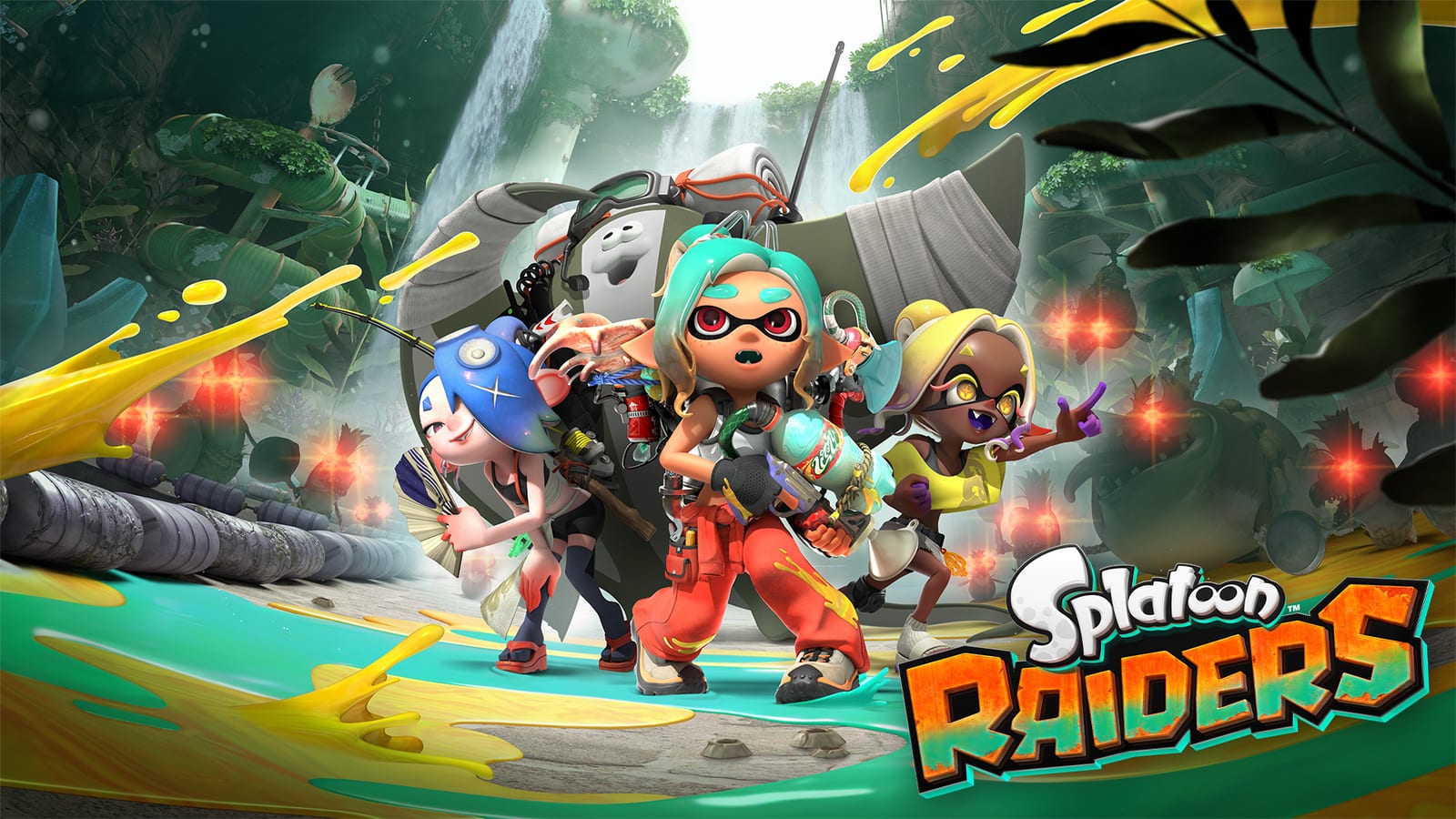
Three difficulties, one loot table
Splatoon Raiders lets you choose Tourist, Raider, or Survivalist from the Hideout Ship and change the setting whenever you want. The most important rule in the entire progression fantasy is also the easiest to miss: difficulty changes enemy strength, not loot. Spirhalite Shards, relics, gadget parts, and weapon drop quality are not locked behind Survivalist suffering.
This guide explains what each preset is for, when to swap, how difficulty interacts with co-op and Call for Help, and how to stop overthinking farm nights. If you are still learning tanks and the ship loop, read Getting Started first.
Tourist — learn systems cleanly
Tourist is the casual adventure setting. Salmonids hit softer and punish fewer mistakes, which makes it ideal for:
- First clears of a new dungeon in the Walkthrough.
- Learning a new tank’s gadgets (How to Use Gadgets).
- Spirhalite shard loops where wipe risk would destroy your shards-per-hour (How to Farm Spirhalite).
- Bond grinding dens when you only care about completions (How to Increase Bot Buddy Bond).
Tourist is not “fake loot mode.” It is a legitimate way to advance the same economy Raider and Survivalist players use.
Raider — the standard campaign feel
Raider is the intended middle path for most story and exploration. Expect denser aggression from lesser packs, Boss Salmonids that demand gadget answers, and Seasoned variants that appear as real warnings. Use Raider when:
- Your tank stats and Frye upgrades feel current (How to Upgrade Weapons).
- You want combat practice without Extreme wipe loops.
- You are preparing a co-op night and need a shared baseline (How to Play Co-op).
If a single dungeon suddenly walls you, drop to Tourist for that objective, spend the same loot on upgrades, then return to Raider. That is healthy play, not cheese.
Survivalist — voluntary pressure
Survivalist is for veterans and challenge seekers. Enemies become much tougher; your reward is mastery and tension, not exclusive gear. Play Survivalist when:
- Showstoppers are Bond-upgraded and you want to practice panic windows.
- Your Builds and Tier List picks are online.
- You specifically enjoy high-threat Salmonid reads.
Avoid Survivalist when your goal is purely economic. A failed twenty-minute Survivalist wipe is often worse for progression than five clean Tourist dens—even though failed raids still keep weapons and salvage, time is the real currency.
Change difficulty anytime (and you should)
Because the Hideout Ship allows free swaps, treat difficulty like a graphics setting for stress:
- Story stuck → Tourist clear → spend loot → retry higher if you want the fight.
- Farm night → lowest setting that stays engaging without wipes.
- Co-op mixed skill lobby → Raider or Tourist so everyone contributes.
- Personal challenge week → Survivalist selected dens only.
Never sit on Survivalist out of FOMO. The game already told you loot parity is intentional.
Co-op, Call for Help, and scaling feel
Group raids can feel spicier even before you touch the difficulty menu because more players change encounter density and coordination needs. Still apply the same loot rule. If the squad is bouncing, lower difficulty before blaming Weapons drops.
Call for Help is another relief valve for solo spikes. Use it when a Survivalist or late Raider room exceeds your kit, then respect the cooldown. It complements difficulty swaps rather than replacing them.
How difficulty interacts with builds
Higher difficulties punish missing roles:
- No shield break on Power-heavy dens → bring Splatchet energy or a teammate who has it.
- No escape tools on Speed-light kits → Blast Boot or Dash Bomb become mandatory.
- No devices on dig rooms → Shot Pots free you to crystal mine safely.
Validate kits on Controls muscle memory, then lock them in Builds. Track what failed on the Raid Checklist so the next ship visit targets the real deficit—tank HP, weapon ranks, gadget parts, or Bond.
Myths to ignore
- “Survivalist is required for rare relics.” False—loot parity across difficulties.
- “Tourist blocks co-op progress.” False—co-op cares about unlocks and coordination, not mandatory Survivalist clears.
- “I must pick one difficulty forever.” False—swap freely on the ship.
- “Lower difficulty wastes Spirhalite.” False—stable clears usually earn more shards per hour.
Suggested difficulty roadmap
- Opening islands: Tourist or Raider until tanks and Bot Buddy basics click.
- Post–Tumetto Rocks co-op unlock: Raider for group story, Tourist for material nights.
- Mid-game Seasoned introductions: Raider default; Tourist for farm; Survivalist optional.
- Endgame mastery: Survivalist selected content, still Tourist/Raider for chores.
Difficulty in Splatoon Raiders is a comfort dial with honest combat consequences—not a loot gate. Set it for the raid you are actually running, spend the same Spirhalite either way, and keep exploring the Spirhalite Islands without guilt. For more systems help, return to the Guides Hub or read the Review after you settle on a favorite challenge level.
Frequently Asked Questions
Quick answers to the most common questions.
Does difficulty affect loot in Splatoon Raiders?
No. Tourist, Raider, and Survivalist only change how tough Salmonids are. Loot remains the same across settings.
Can I change difficulty later?
Yes. You can switch difficulty anytime on the Hideout Ship, including before retrying a dungeon that felt too hard.
Which difficulty should I use for farming?
Use the lowest setting that keeps clears fast and stable. Shard-per-hour matters more than Survivalist prestige.
What difficulty is best for co-op?
Pick what the whole party can finish cleanly—often Raider or Tourist—since loot does not improve on Survivalist.
Is Survivalist required to finish the story?
No. Survivalist is an optional challenge preset for veterans. The campaign can be completed on easier settings with full loot access.