Splatoon Raiders Map Guide
Read the island map so every launch from the Hideout Ship has a purpose.
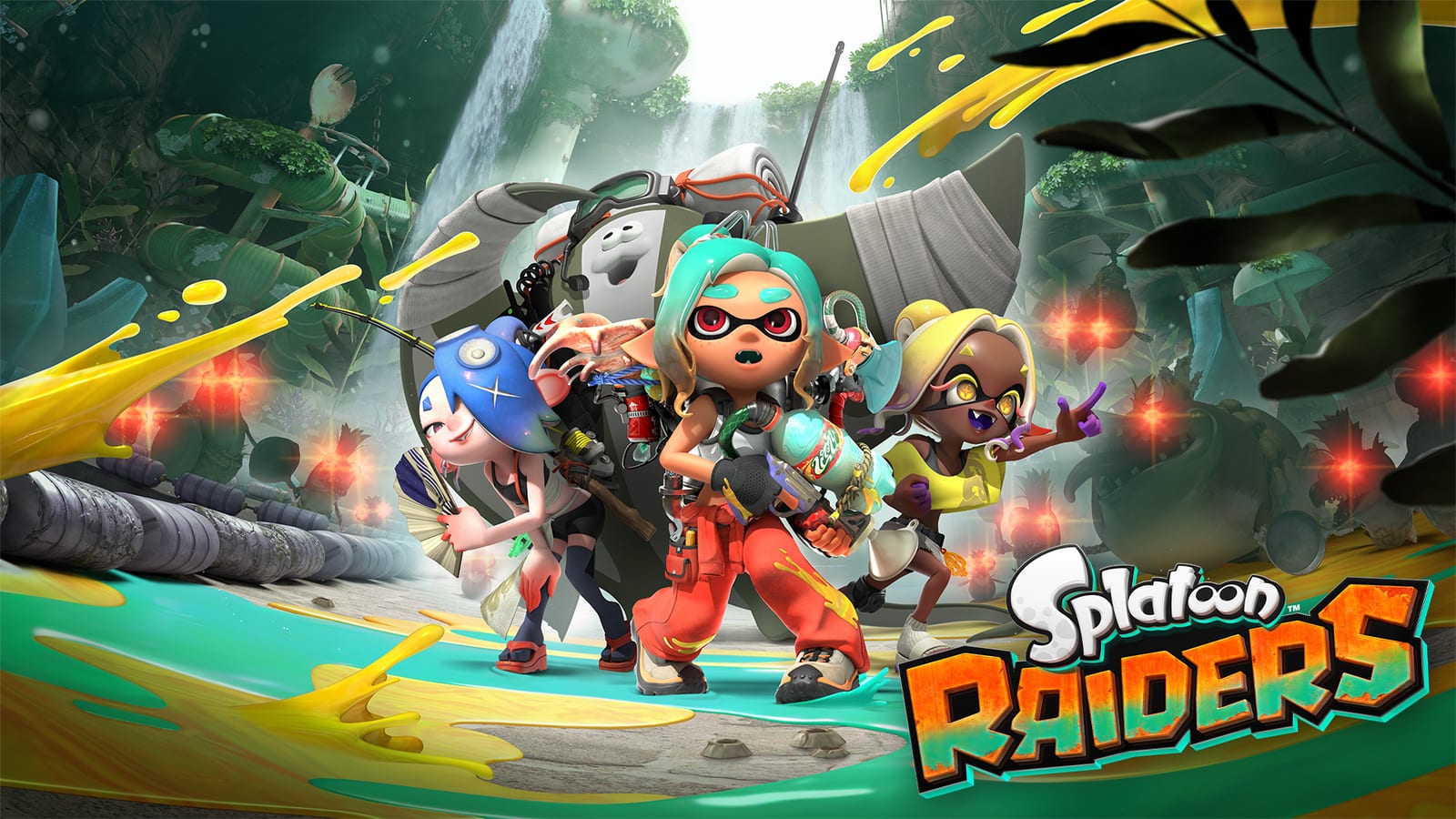
The Spirhalite Islands are a constellation of raid hubs rather than a single open-world city. You scout from the Hideout Ship, pick a dungeon icon, drop in, then return with salvage. Learning the map legend—story markers, farm types, and hidden Sampler reveals—prevents the “I ran three stages and still cannot afford the upgrade” spiral.
This page sits beside the Walkthrough Hub and the detailed dungeons breakdown. For what to spend loot on, jump to Hideout Ship and Items.
How the map loop works
- Gear up on the ship: tank, gadgets, relics, difficulty.
- Open the treasure map / Exploration Bot travel flow.
- Choose an island dungeon that matches your goal.
- Complete objectives, extract rewards, return.
- Convert materials at ship facilities, then queue again.
Bot Buddy drilling and radar tools matter inside stages, but the strategic decisions happen on this map screen. If you only ever press the nearest glowing icon, you will overlevel random weapons while starving ship construction.
Lehlo Island: the beachhead
Lehlo Island hosts Pantree Beach, the Raid Level 1 Past Adventures tutorial. Use it to confirm controls, swim heals on the visible health bar, and basic Boss etiquette. After the machine recovery sequence, the map opens toward Erpp and the wider island chain.
Even later, Lehlo remains a gentle place to test a new motion profile from best settings or a fresh gadget pair before Spicy content elsewhere.
Erpp Island: first real decisions
Erpp Island introduces the early midgame grammar:
- Piel Coast — crystal drilling under assault
- Blansh Seaway — radar-led crystal destruction
- Scayl Buried Ruins — multi-objective buried raid with a major boss beat
These stages teach you to read icons for objective type, not just for “story vs optional.” Once Erpp feels comfortable, the rest of the Spirhalite chain reuses the same verbs at higher Raid Levels.
Icon literacy: pick by reward
When multiple dungeons are available on an island, ask what you need tonight:
- Story flag → progression / Past Adventures
- Treasure emphasis → parts, scrolls, mixed chests
- Mining emphasis → Spirhalite Shards
- Gem emphasis → Spirhalite Gems
- Compass-only nodes → Sampler Dungeons for Skill Tomes
- Ruins emphasis → Relics
The dungeons guide is the full matrix; the map is where you execute it without getting distracted by a cooler-looking biome.
Old Compasses and hidden Sampler nodes
Blue crates inside stages often hide Old Compasses. After you collect one, the treasure map gains a compass interaction that points toward a hidden Sampler Dungeon. Different compass hues guide you with different feedback styles—direct pointers, proximity fills, or directional expansion cues.
Reveal the node on the overworld, then treat that Sampler as a scheduled skill trial, not a random side scribble. Skill Tomes from these challenges feed tank growth that makes later islands humane.
Orange crates more often relate to Briny Scroll hunting; plain crates lean toward weapons or gems. Crate color literacy speeds collectibles completion while you explore.
Verticality and landmark thinking
Inside a stage, the “map” becomes local: inkrails, Bot Buddy launch pads, buried sublevels, and crystal rooms. Before you chase a side chest, mark an escape puddle. Before you drop a sublevel, ensure gadgets are off cooldown. Scayl Buried Ruins especially punishes players who navigate like it is still a flat Turf War map.
If you get lost on objectives, pause and re-read the dungeon description on the launch screen. The game tells you the win condition—radar, drill count, collection quota, boss—before you deploy.
Co-op map etiquette
In multiplayer, the host should announce island and dungeon type before launch. Guests who expect a Treasure Hunt and load a glass-cannon chest kit will struggle on a gem-defense timer. Use the raid checklist as a shared preflight so everyone brings the right tank.
Call for Help drops you into someone else’s map context. Land, find the objective icon logic, and play the room you entered—not the farm you meant to run at home.
Suggested early route
- Clear Pantree Beach; unlock ship repair fantasy for real.
- On Erpp, clear Piel Coast, then Blansh Seaway.
- Farm one Shard Mining node if weapon upgrades feel weak.
- Attempt Scayl Buried Ruins with a practiced gadget cadence.
- Spend one session on compass/crate hunting for Sampler unlocks.
Whenever the map looks overwhelming, return to the Walkthrough Hub priority order: story marker, then the single farm that funds your next ship gate.
Frequently Asked Questions
Quick answers to the most common questions.
Is Splatoon Raiders a fully open-world map?
No. You explore a constellation of islands and launch dungeon raids from the Hideout Ship. The strategy is in picking the right node, not sprinting across one seamless city.
Which islands should beginners learn first?
Lehlo Island for Pantree Beach, then Erpp Island for Piel Coast, Blansh Seaway, and Scayl Buried Ruins. Those stops teach the raid vocabulary reused later.
How do hidden dungeons show up on the map?
Collect Old Compasses, use the treasure map compass prompt, move to the indicated overworld spot, and reveal the Sampler Dungeon node.
Can I travel freely between islands?
As you clear progression dungeons and unlock facilities, more islands and dungeon icons become selectable from the ship’s travel/map flow.
What should I pick if I only have time for one run?
If a story marker is available, take it. Otherwise pick the dungeon type that funds your next Hideout Ship or tank bottleneck—usually shards, tomes, or a specific relic.